What Is Color Theory? A Practical Guide for Artists (And How to Mix Better Colors)

What Is Color Theory? A Practical Guide for Painting and Color Mixing

Color is one of the most powerful tools in painting. It creates mood, depth, atmosphere, and realism. Strong color choices can make a painting feel alive, while weak color mixing can make a painting look dull or muddy.

Yet many painters struggle with color mixing. You try to mix the color you see in your reference photo, but the paint on your palette never quite looks right.

This is where color theory for painting becomes incredibly helpful.

Understanding basic color theory allows painters to mix colors more accurately, control harmony in a painting, and avoid muddy mixtures. When combined with practical tools, color theory can make the entire painting process much easier and more enjoyable.

In this guide we will explore:

• What color theory is in painting
• The basics of the color wheel
• How artists mix colors while painting
• Why painting colors often become muddy
• How a color mixing tool can help painters mix colors more accurately

Whether you are new to painting or have years of experience, understanding color theory can dramatically improve your color mixing.

If you want an easy way to know how to mix color from your reference photos, use the color mix finder tool.

CLICK HERE TO TRY IT!

What Is Color Theory in Painting?

Color theory is the study of how colors interact, combine, and influence each other.

In painting, color theory helps artists understand how to:

• Mix paint colors accurately
• Create color harmony in a painting
• Control warm and cool color relationships
• Adjust color saturation and intensity
• Create convincing light and shadow in a painting

Color theory gives painters a framework for understanding why certain colors work well together and why others clash.

But in practical painting situations, color theory is not about memorizing rules. It is about helping painters answer one of the most common questions that comes up during painting:

“How do I mix the color I see?”

Painters throughout history have relied on color theory to guide their color mixing decisions. From classical portrait painters to modern landscape painters, understanding color relationships is a key part of successful painting.


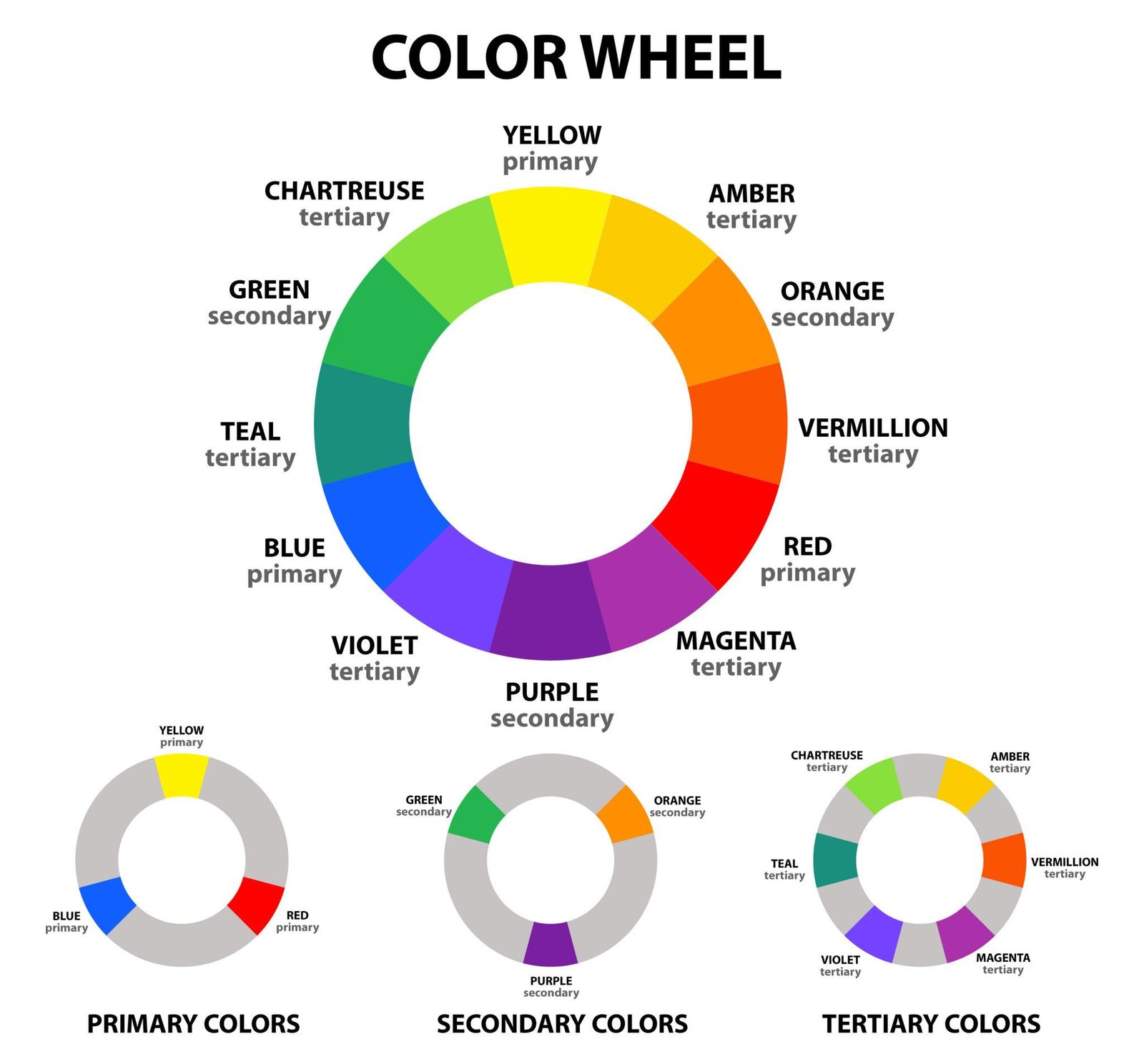
The Color Wheel and Its Role in Painting

One of the foundations of color theory in painting is the color wheel.

The color wheel organizes colors based on their relationships to each other, which helps painters understand how colors mix.

Primary Colors

Primary colors are the base colors used for mixing paint.

Traditional painting primaries include:

• Red
• Yellow
• Blue

These colors cannot be created by mixing other colors, but they can be used to mix almost every color needed in painting.

Secondary Colors

Secondary colors are created by mixing two primary colors together.

For example:

Red + Yellow = Orange
Yellow + Blue = Green
Blue + Red = Violet

These secondary mixtures are used constantly when mixing colors for painting.

Tertiary Colors

Tertiary colors are created by mixing a primary color with a secondary color.

Examples include:

• Yellow green
• Blue violet
• Red orange

These subtle mixtures are extremely common in realistic painting because most natural colors fall somewhere between major color families.


Why Color Mixing in Painting Often Goes Wrong

Even when painters understand the color wheel, color mixing during painting can still be difficult.

Several things make color mixing challenging.

Paint Pigments Behave Differently

In painting, pigments do not always behave like the simple diagrams in color theory books.

Two paints that are both labeled “blue” may behave very differently when mixed.

For example:

Ultramarine Blue tends to create muted greens
Phthalo Blue tends to create very intense greens

When mixing colors for painting, these subtle pigment differences matter.

Too Many Colors in the Mixture

One of the most common problems in painting is mixing too many pigments together.

When three, four, or five colors are mixed repeatedly, the paint often becomes dull and muddy.

Many experienced painters prefer limited palettes because they keep color mixing cleaner and more predictable.

Difficulty Identifying the Base Color

During painting, artists often struggle to identify the correct starting color.

If the base color is wrong, every adjustment that follows becomes harder.

Choosing the right starting color is one of the most important steps in color mixing for painting.


The Three Key Elements of Color in Painting

When painters analyze color in a painting, they often think in terms of three main characteristics.

Hue

Hue refers to the basic color family.

Examples include:

• Red
• Blue
• Green
• Yellow

When painting, identifying the correct hue is the first step in mixing accurate colors.

Value

Value refers to how light or dark a color appears in a painting.

In many paintings, correct value relationships are even more important than exact color accuracy.

If the value relationships are correct, a painting can still look convincing even if the color shifts slightly.

Saturation

Saturation refers to how intense or muted a color is.

Highly saturated colors appear bright and vivid.

Muted colors contain some level of neutrality.

In most realistic painting situations, colors are slightly muted rather than fully saturated.

Understanding how to adjust saturation is an important skill in painting color mixing.


How Painters Mix Colors in Practice

While color theory explains color relationships, most painters follow a simple mixing process while working on a painting.

Step 1: Identify the Base Color

When looking at a reference photo or subject, painters first identify the general color family.

For example:

Is the color closer to red, yellow, blue, or green?

This determines the starting paint mixture.

Step 2: Adjust the Temperature

Next, painters decide whether the color needs to be warmer or cooler.

Warm colors lean toward red or yellow.

Cool colors lean toward blue.

Temperature adjustments often make a huge difference in achieving believable color in a painting.

Step 3: Adjust Value and Saturation

Finally, painters lighten, darken, or neutralize the mixture.

This might involve adding:

• White to lighten the paint
• A complementary color to reduce saturation
• Earth colors such as raw umber or burnt sienna

These adjustments refine the color until it matches what the painter sees.


How a Color Mixing Tool Helps With Painting

Even when painters understand color theory, mixing paint accurately during a painting session can still be frustrating.

This is where a color mixing tool designed for painters can be extremely helpful.

Instead of guessing at mixtures, a color mixing tool analyzes the color you want to paint and provides step by step guidance for mixing it.

A good color mixing tool helps painters:

• Identify the correct starting color
• Adjust warm and cool color shifts
• Control saturation levels
• Avoid muddy paint mixtures
• Mix colors more efficiently while painting

This turns color mixing from trial and error into a much more structured process.


Using the Color Mixing Tool While Painting

The Color Mixing Tool on this website was designed specifically to help painters apply color theory in real painting situations.

Instead of abstract explanations, the tool works directly with the colors you see in your reference photo.

You can click on any part of your reference image and receive step by step paint mixing suggestions.

The tool supports several common painting palettes.

Zorn Palette

A classic limited palette used by many master painters.

It includes:

• Yellow Ochre
• Cadmium Red
• Ivory Black
• Titanium White

Despite using only four colors, the Zorn palette can produce a wide range of natural colors for portrait painting.

Limited Painting Palette

A slightly expanded palette that allows painters to mix more vibrant colors while still keeping mixtures clean.

Limited palettes are popular because they simplify color mixing during painting.

Expanded Palette

For painters who prefer a wider range of pigments, the expanded palette offers additional color options while still guiding the mixing process logically.


Why Color Mixing Gets Easier With More Painting

Color theory gives painters the framework, but experience builds intuition.

The more painting you do, the easier it becomes to recognize patterns such as:

• Shadows often shift cooler in a painting
• Sunlight tends to warm colors
• Complementary colors neutralize each other
• Saturation usually decreases in shadow areas

Over time painters begin to recognize these relationships instinctively.

Using a color mixing tool can accelerate that learning process by helping painters understand why certain color mixtures work.


Try the Color Mixing Tool for Painting

If color mixing during painting has ever felt confusing or unpredictable, the Color Mixing Tool can help simplify the process.

It allows painters to analyze colors from a reference photo and receive clear mixing guidance based on real painting palettes.

Instead of guessing at mixtures, painters can start understanding the color relationships behind the colors they see.

You can try the tool here:

CLICK HERE


Final Thoughts on Color Theory and Painting

Color theory is one of the most important foundations of painting. It explains how colors interact, how they mix, and how they influence each other visually.

But understanding color theory alone is not always enough.

Painters also need practical ways to apply that knowledge while working on a painting.

By combining traditional color theory with a guided color mixing tool, painters can mix colors more accurately, avoid muddy paint mixtures, and develop far more confidence in their painting process.

Wall Art Mockup Generator: Why Every Artist Should Use an Artwork Visualization Tool

Wall Art Mockup Generator: Why Every Artist Should Use an Artwork Visualization Tool

If you are selling art online today, presentation matters as much as the painting itself.

TRY MY ART MOCKUP TOOL HERE

Collectors do not just buy a piece of canvas. They buy how it will feel in their space. They imagine it above their sofa, in their dining room, in a quiet hallway filled with natural light. The problem is that most artists ask buyers to make that leap in their imagination without any help.

That is where a Wall Art Mockup Generator becomes one of the most powerful tools an artist can use.

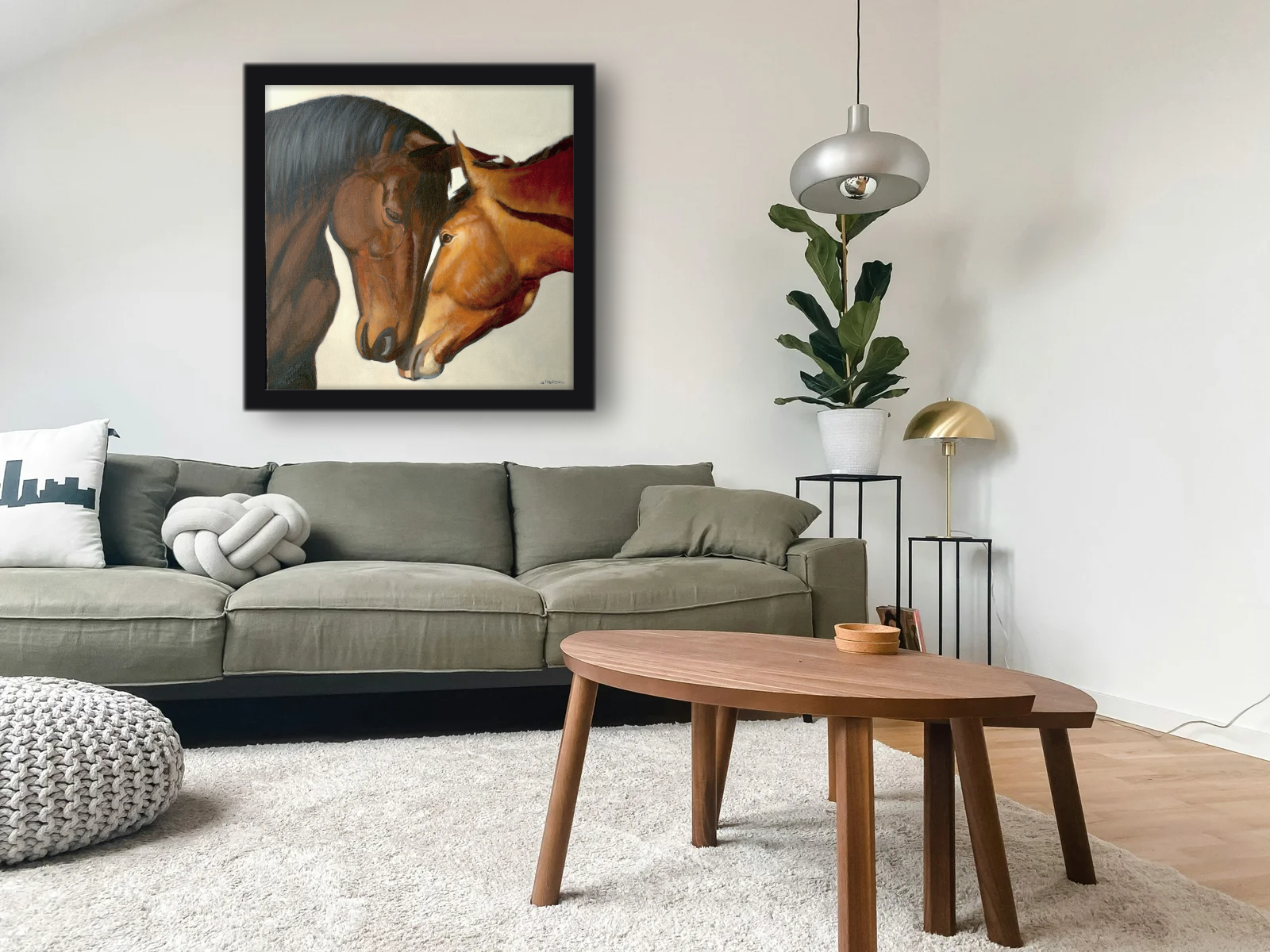
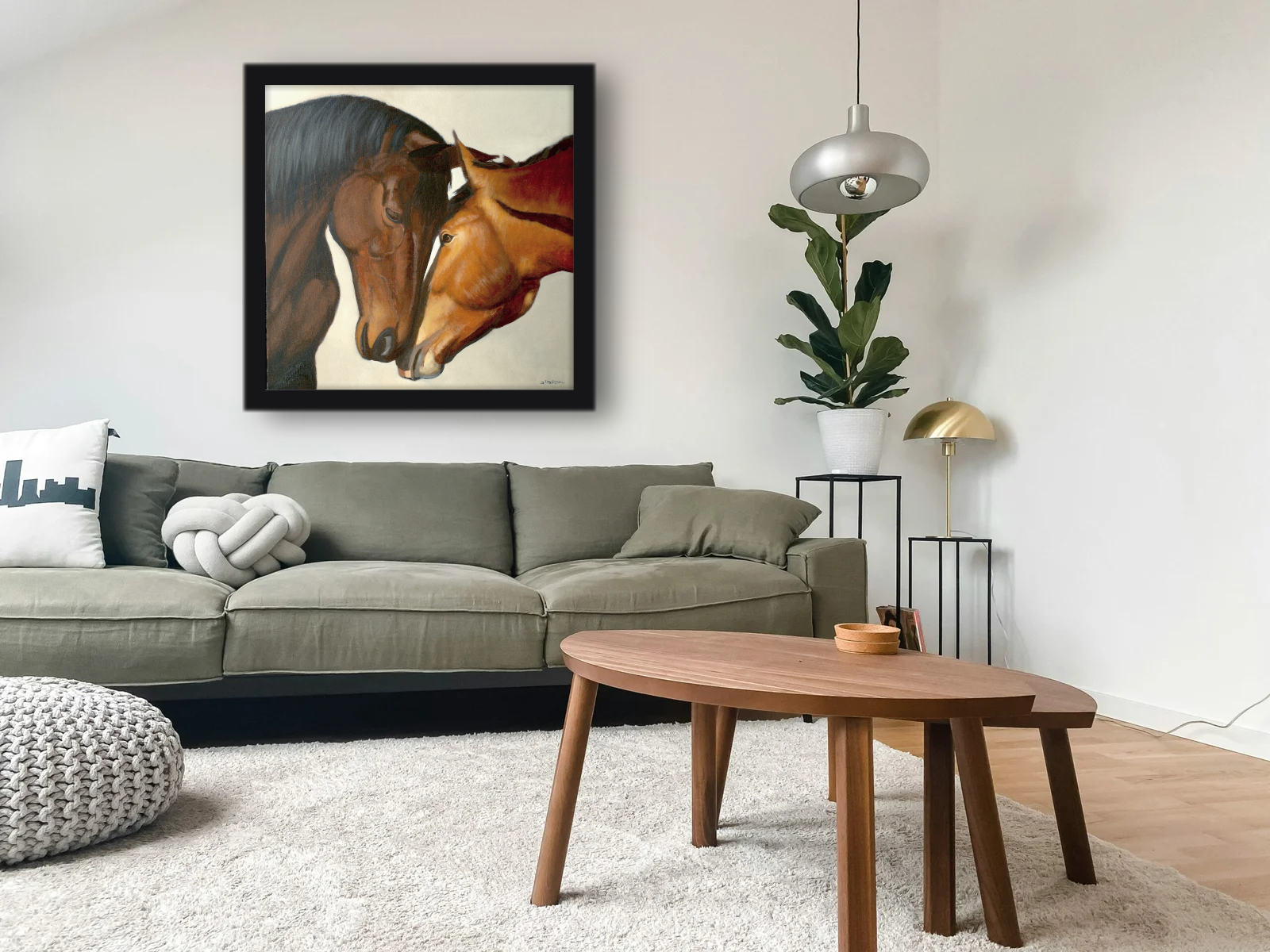
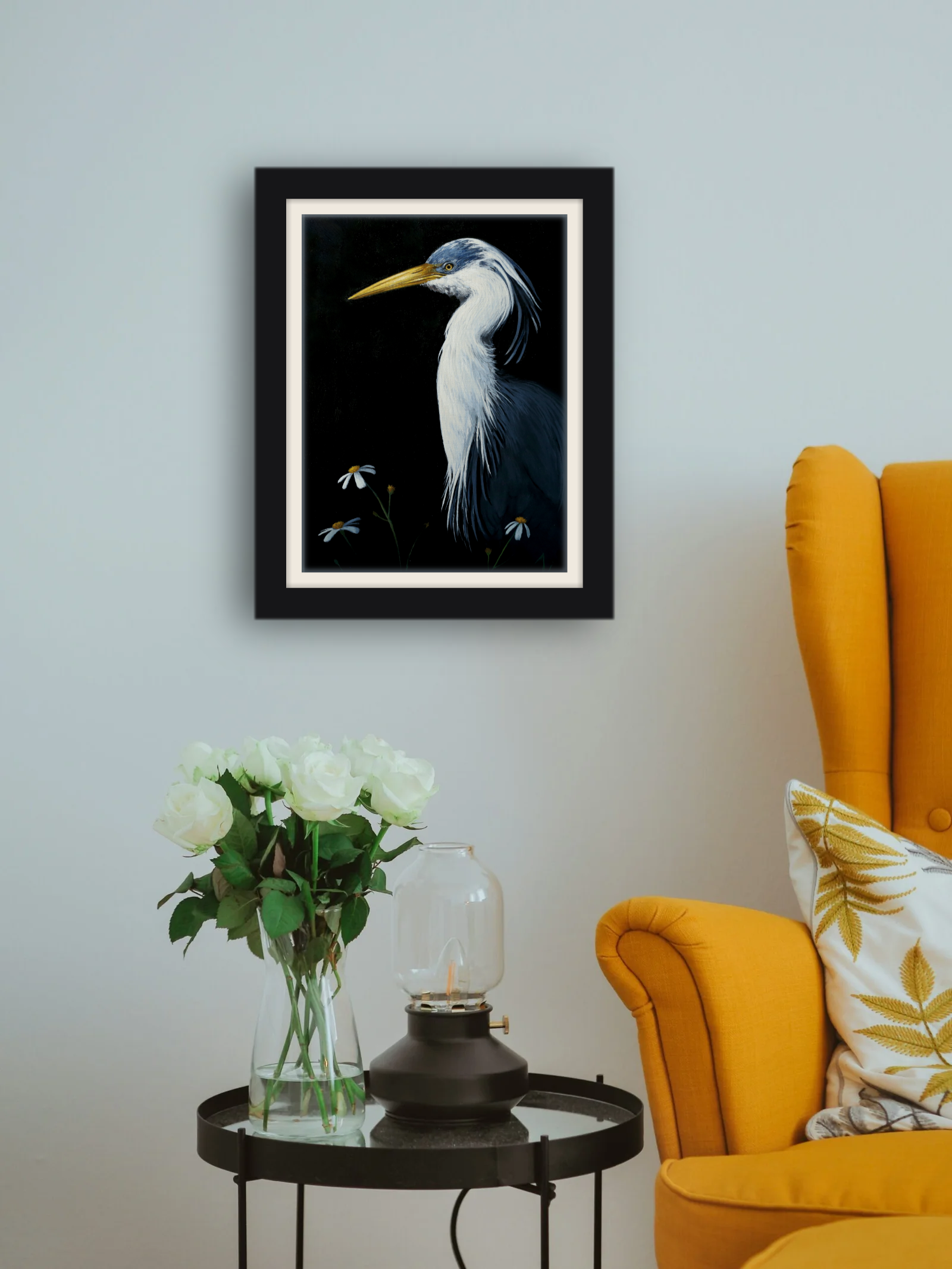
Also known as an Artwork Visualization Tool, Art Placement Visualizer, or Painting Mockup Creator, this type of tool allows you to upload your artwork and display art in a room setting instantly. Instead of showing a cropped studio photo, you can show your painting styled inside a realistic interior. That shift alone changes how your work is perceived.


Why Context Changes Everything

When someone searches online for art, they often type phrases like “mockup art on wall,” “visualize artwork in room,” or “what size painting for living room wall.” Even if they do not consciously say it, they are asking the same question: What will this look like in my home?

A Wall Art Visualizer answers that question before doubt has time to grow.

A painting photographed against a blank wall can feel unfinished. The same painting displayed in a thoughtfully styled room feels intentional and elevated. It feels like part of a lifestyle. That psychological shift increases perceived value. When buyers can see artwork on a wall in a realistic setting, they mentally place it into their own home. The purchase becomes easier.


Reducing Buyer Hesitation

One of the biggest barriers to selling paintings online is uncertainty about size and scale. Buyers worry that the artwork will be too small, too large, or not proportionate to their furniture. They search for solutions like “place painting in room online” or “interior art preview tool” because they want reassurance.

Using an Interior Mockup Generator removes that hesitation. It allows you to scale your artwork accurately, test horizontal versus vertical placement, and preview how it interacts with the surrounding space. Instead of forcing collectors to imagine it, you show them. Clarity builds confidence, and confidence drives decisions.


Framing and Presentation Matter More Than You Think

Another powerful benefit of using a Painting Mockup Creator is the ability to test framing digitally. Whether you offer modern black frames, warm walnut wood, gold metal finishes, or floater frame styles, a realistic framed art mockup lets you preview how each option enhances the piece.

Buyers often search for “framed art display mockup” or “gold frame mockup for painting” because framing changes the character of a piece dramatically. With a Frame and Room Preview Tool, you can present multiple variations without physically producing them. This not only elevates your listing images but also allows you to upsell framing with confidence.


Elevating Your Social Media Presence

Presentation affects engagement just as much as it affects sales. When artists search for “Instagram art mockup” or “wall art mockup generator online,” they are looking for ways to stand out in crowded feeds.

A Canvas Mockup Generator transforms a simple painting into a styled, professional image ready for social media. Instead of a studio snapshot, you now have a polished interior scene. It feels intentional. It feels finished. It feels established.

This kind of presentation encourages more saves, shares, and longer viewing times. It positions you as a serious artist who understands branding, not just painting.


Saving Time and Creating Consistency

Professional staging photography can be expensive and time-consuming. Moving furniture, finding ideal lighting, and maintaining consistent backdrops across multiple pieces is not realistic for most artists.

An Artwork Mockup Generator simplifies the process. You can maintain consistent lighting, use beautifully styled interiors, and generate cohesive product images without leaving your studio. This consistency strengthens your brand and makes your portfolio feel unified.

Many artists search for “art display mockup generator” or “show art on wall digitally” because they want an efficient, professional solution. A Wall Art Mockup Generator provides exactly that.


More Than a Design Feature

It is easy to think of a Wall Art Mockup Generator as just a visual enhancement tool. In reality, it is a sales tool.

It increases perceived value.
It reduces buyer hesitation.
It strengthens branding.
It improves social media presentation.
It enhances website listings.

When buyers can visualize artwork in room settings, they move from imagining to deciding. That transition is subtle but powerful.


Final Thoughts

Modern art marketing requires more than talent. It requires presentation. An Artwork Visualization Tool bridges the gap between creation and collection by helping buyers see your work where it belongs: inside a living space.

If you want to sell art online more confidently, elevate your website, and create professional listing images, a Wall Art Mockup Generator is no longer optional. It is part of a serious artist’s toolkit.

When collectors can see your painting displayed on a wall, framed beautifully, scaled properly, and styled intentionally, they are not just viewing art.

They are picturing it in their home.

And that makes all the difference.

How the Old Masters Used the Grid Method when painting (And Why It Still Works Today)

How the Old Masters Used the Grid Method (And Why It Still Works Today)

If you’ve ever used the grid method to transfer a drawing onto canvas, you’re participating in a tradition that goes back centuries.

Many artists assume grids are a modern shortcut. In reality, structured transfer systems were used by some of the greatest painters in history. Long before digital tools existed, artists relied on measured drawing systems to scale, refine, and perfect their compositions.

The grid method is not a crutch. It is a professional tool. And it has been used at the highest levels of art for generations.

Let’s look at how the Old Masters approached it — and why the grid method remains powerful for artists at every stage of skill.


What Is the Grid Method in Art?

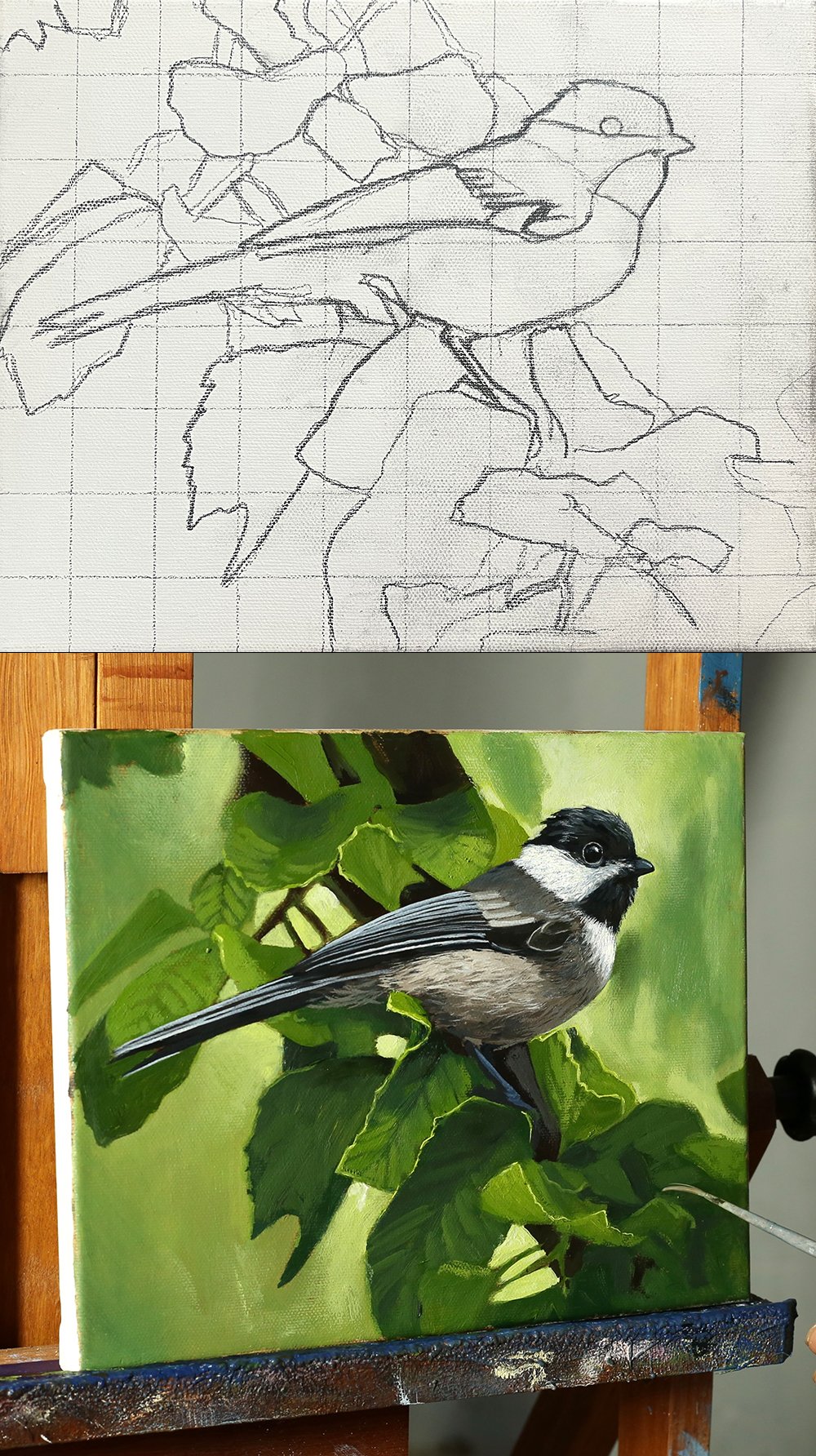
The grid method is a technique used to accurately transfer and enlarge an image by dividing it into evenly spaced squares. The artist recreates those squares proportionally on a new surface and redraws the image square by square.

This system:

  • Maintains proportion

  • Reduces distortion

  • Makes complex compositions manageable

  • Allows accurate scaling

While modern artists may use printed grids or digital tools, the underlying principle is ancient: break complexity into measurable parts.

Want an easy to use grid tool?  Check out this article: https://timgagnon.com/the-grid-method-for-artists-how-it-improves-accuracy-confidence-and-composition/


Leonardo da Vinci and Measured Drawing

Leonardo da Vinci was obsessed with measurement, geometry, and proportion. His notebooks reveal a deep focus on structure. While he did not publish a formal “grid tutorial,” Renaissance workshops commonly used ruled frameworks to transfer and enlarge drawings.

Artists in his time created full-scale preparatory drawings called cartoons. These were often gridded or measured carefully so they could be scaled up accurately onto walls and panels.

Leonardo’s precision was not guesswork. It was built on systems of observation and measurement. The philosophy behind the grid method aligns perfectly with his belief that art and mathematics are closely connected.

The grid method follows that same mindset: structure first, refinement second.


Albrecht Dürer and the Drawing Machine

If you want clear historical evidence of grid-based thinking, look at Albrecht Dürer.

Dürer published illustrations of mechanical drawing devices that used perspective frames and grid screens. In one famous woodcut, a grid is placed between the artist and the subject. The artist then draws what appears in each square, translating it carefully to paper.

This method allowed:

  • Square-by-square observation

  • Accurate scaling

  • Mathematical precision

  • Improved perspective control

Dürer believed that art should be grounded in geometry and measurement. His devices formalized what many artists were already practicing: structured, systematic drawing.

The modern grid method is essentially a simplified continuation of these Renaissance tools.


Michelangelo and Monumental Scaling

When painting massive works like the Sistine Chapel ceiling, artists had to scale figures to monumental proportions. That kind of enlargement cannot be done reliably without measurement systems.

During the Renaissance, artists used:

  • Gridded cartoons

  • Pouncing techniques (transferring outlines through perforated drawings)

  • Squaring systems to enlarge compositions

While Michelangelo is often celebrated for raw genius, executing large frescoes required disciplined transfer methods. Structured scaling was essential.

The principle is identical to what happens when an artist grids a small reference photo and enlarges it onto a larger canvas today.


The Grid Method in Classical Training

For centuries, academic art training emphasized accuracy and structure. Students in classical ateliers learned through copying master drawings and plaster casts.

Common training methods included:

  • Sight-size measurement

  • Comparative measurement

  • Squaring and scaling drawings

  • Structured copying systems

The grid was never considered cheating. It was considered discipline.

Accuracy builds confidence. Confidence builds expressive freedom.

The Old Masters understood that strong structure is what allows creativity to flourish.


Why the Grid Method Is for All Skill Levels

One of the biggest misconceptions in art education is that grids are only for beginners.

In truth, the grid method serves artists at every stage.

For Beginners

For newer artists, the grid method:

  • Eliminates proportion anxiety

  • Reduces discouraging distortions

  • Builds spatial awareness

  • Teaches how shapes relate to one another

Instead of guessing, beginners learn structure. That accelerates growth and builds confidence quickly.

For Intermediate Artists

At the intermediate stage, artists often struggle with more complex compositions. Multi-figure scenes, architecture, animals, and intricate reference photos can become overwhelming.

The grid method allows artists to:

  • Break complex scenes into manageable sections

  • Focus more on value and color

  • Avoid costly proportion mistakes

  • Increase overall painting efficiency

It reduces frustration and helps maintain momentum.

For Advanced Artists

Professional artists frequently use grid systems when:

  • Working on commissions

  • Scaling to large canvases

  • Painting detailed realism

  • Ensuring portrait likeness

The grid is not a sign of weakness. It is a sign of efficiency and professionalism.

Many advanced artists combine freehand skill with grid precision depending on the project. Mastery is not about avoiding tools. It is about knowing when to use them.


Why the Grid Method Works Psychologically

The grid method reduces cognitive overload.

When you divide an image into squares:

  • Your brain stops trying to “draw a face”

  • You begin drawing abstract shapes

  • You focus on angles and relationships

  • You observe value placement more carefully

This shift from symbolic drawing to observational drawing is exactly what classical training aimed to achieve.

The grid simply provides a structured pathway to that mindset.

It turns complexity into clarity.


Renaissance Tools vs Modern Tools

Renaissance artists used:

  • Hand-drawn grids

  • Wooden frames with string lines

  • Mechanical measuring devices

  • Full-scale cartoons

Today, artists can:

  • Upload a reference photo

  • Generate a precise grid instantly

  • Adjust square size for detail level

  • Print accurately to match canvas dimensions

The principle remains the same.

The convenience has improved.

What once required hours of measuring can now be done in seconds. But the foundation is still rooted in centuries-old artistic practice.


Does Using a Grid Reduce Skill?

No.

Using a grid does not make an artist less skilled. It reinforces skill.

The grid is not the finished artwork. It is a structural framework. Just as architects use blueprints, artists use transfer systems.

Expression comes after structure.

You cannot confidently bend rules until you understand proportion and alignment. The grid builds that understanding.


When Should You Practice Without a Grid?

There are times when freehand drawing is beneficial:

  • Gesture practice

  • Developing speed

  • Improving visual memory

  • Training intuitive proportion

Both approaches are valuable.

The Old Masters did not rely solely on one method. They combined structured systems with direct observation and experience.

That balance is what builds true artistic confidence.


Final Thoughts: The Grid Method Is a Tradition, Not a Shortcut

From Renaissance workshops to modern studios, artists have relied on structured systems to scale and refine their work.

Leonardo da Vinci studied measurement and proportion.
Albrecht Dürer engineered perspective tools.
Michelangelo scaled monumental compositions with disciplined transfer methods.

They were not guessing.

They were building with intention.

The grid method continues that tradition today.

Whether you are a beginner learning proportion, an intermediate artist tackling complex compositions, or a professional scaling up a commission, the grid is not a crutch.

It is a framework.

And strong frameworks build mastery.

How to Use the Grid Method for Painting and the Best Grid Creator Tool for Artists

The Grid Method for Artists: How It Improves Accuracy, Confidence, and Composition

If you’ve ever looked at your reference photo and thought, Why doesn’t my drawing look like that? — you’re not alone.

The grid method is one of the most powerful and underrated tools for artists who want more accuracy, better proportions, and stronger compositions. It removes guesswork and replaces it with structure.

In this article, we’ll cover:

  • What the grid method is

  • Why it works

  • How to use it correctly

  • And why professional artists still rely on it today

Get the grid creator tool as a member of www.timgagnon.com, or a stand alone tool here: https://timgagnon.com/shop/uncategorized/art-flow-tools-grid-creator-value-critique-color-finder-tonal-reference-stencil-maker/

What Is the Grid Method in Drawing?

The grid method is a drawing technique where you divide both your reference photo and your canvas into evenly spaced squares. You then copy the contents of each square individually.

Instead of trying to “draw the whole thing,” you focus on:

  • One square at a time

  • One shape at a time

  • One relationship at a time

This dramatically improves drawing accuracy.


Why the Grid Method Improves Accuracy

Most drawing mistakes happen because artists try to judge proportions by eye too early.

Common errors:

  • Eyes placed too high

  • Head too wide

  • Buildings leaning

  • Horizon lines drifting

The grid method prevents this because it forces you to measure relationships.

Instead of asking:
“Does this look right?”

You ask:
“Where does this shape sit inside this square?”

It becomes objective instead of emotional.

That’s powerful.


The Psychological Benefit of the Grid Method

Here’s something rarely talked about:

The grid method reduces overwhelm.

Large subjects feel intimidating. But when broken into small sections, the task becomes manageable.

This builds confidence.

And confidence leads to better paintings.


How to Use the Grid Method Step by Step

  1. Choose a clear reference photo.

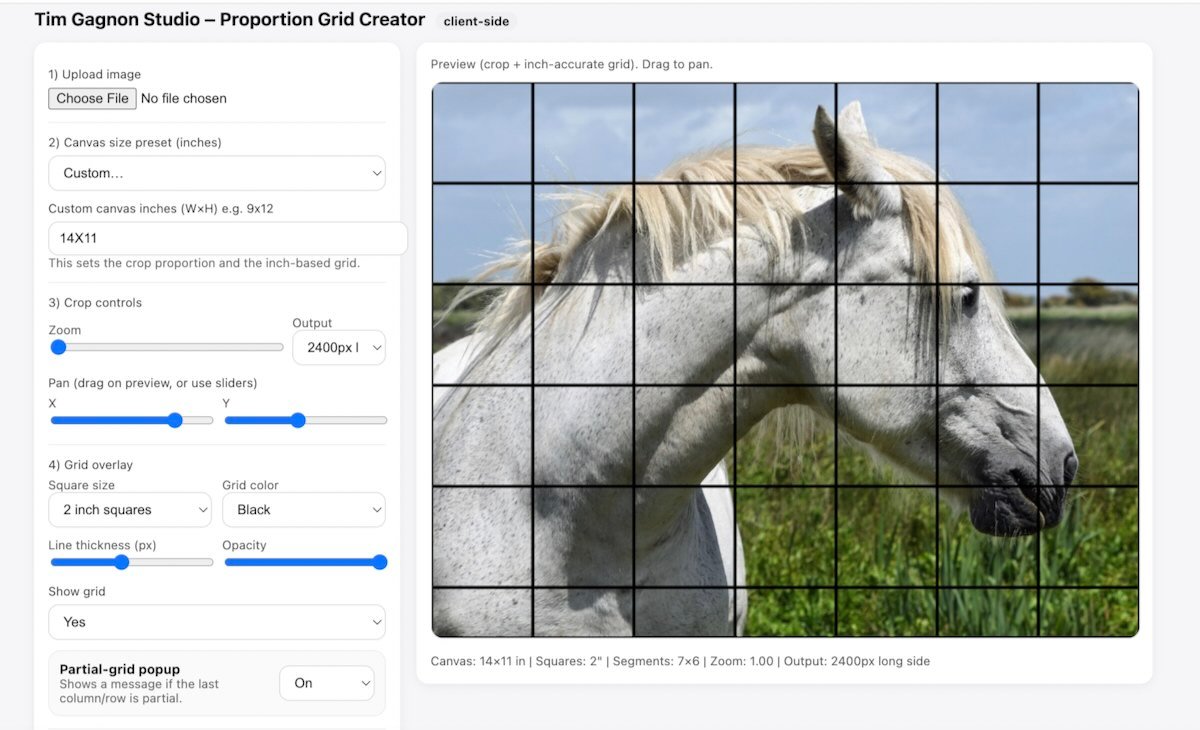
  2. Add a grid overlay to the image using the quick and easy grid creator tool on www.timgagnon.com

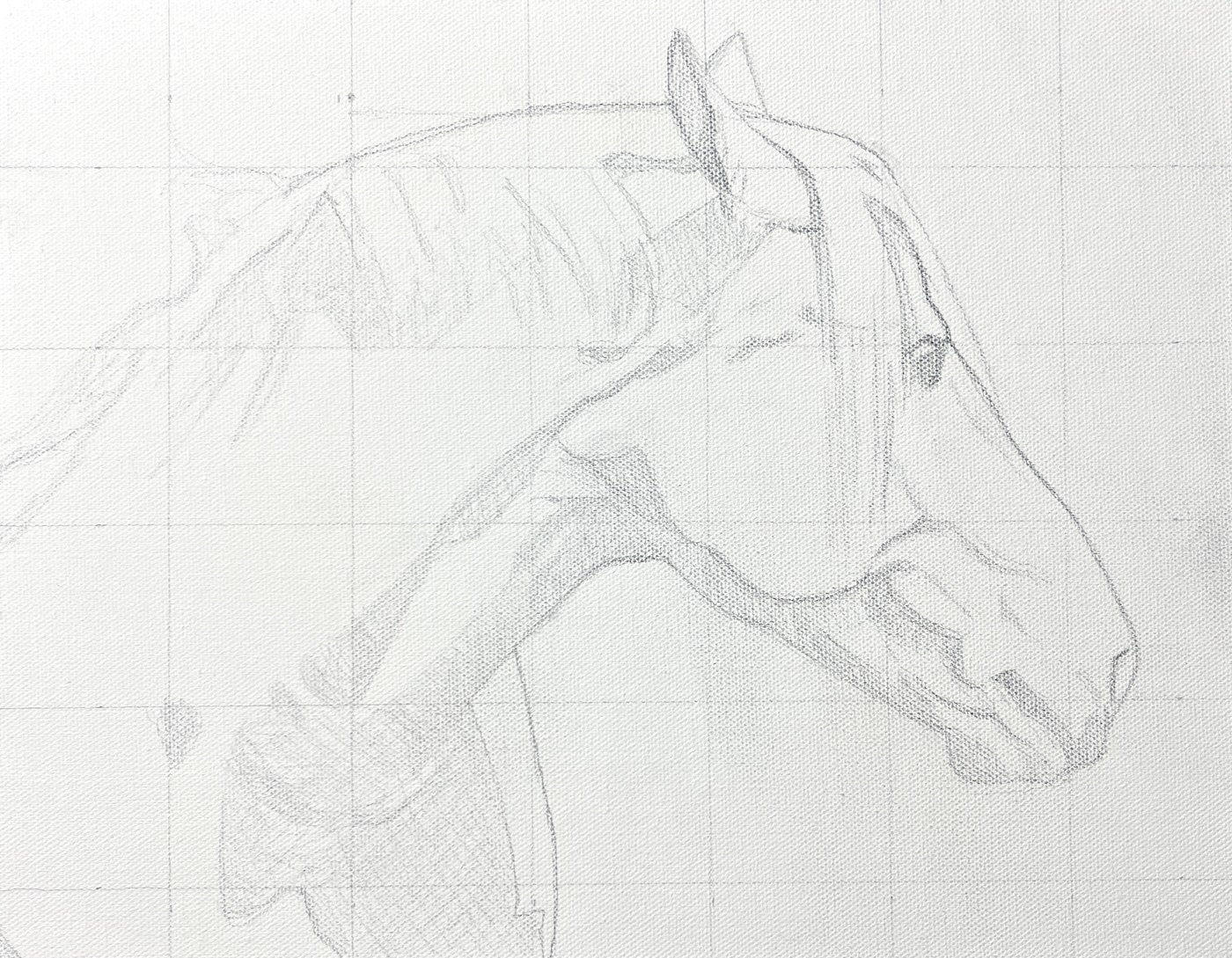
  3. Draw a proportional grid on your canvas.

  4. Work square by square.

  5. Focus on shapes, not outlines.

  6. Remove the grid once the drawing is complete by toning the canvas

The key is drawing shapes inside each square — not tracing lines.


Does Using a Grid Make You Less of an Artist?

Short answer: No.

Using a grid doesn’t replace skill. It trains your eye.

Over time, artists internalize spatial relationships and need it less. But even experienced painters use it when accuracy matters.

Portrait artists.
Wildlife artists.
Landscape painters.

It’s a professional tool.


When Should You Use the Grid Method?

The grid method is especially helpful when:

  • Enlarging a small reference photo

  • Working on commissions

  • Painting portraits

  • Creating large canvases

  • Practicing drawing accuracy

It’s also ideal for beginners learning proportion.


Grid Method vs Freehand Drawing

Freehand drawing builds observation skills.
Grid drawing builds measurement skills.

The strongest artists develop both.


A Modern Way to Use the Grid Method

Traditionally, artists had to measure and draw grids manually.

Today, you can:

  • Upload a reference photo

  • Instantly generate a printable grid

  • Resize it to your exact canvas dimensions

This saves time and improves consistency.

You can use my grid creator tool and get a reference photo in a few clicks: https://timgagnon.com/shop/uncategorized/art-flow-tools-grid-creator-value-critique-color-finder-tonal-reference-stencil-maker/


Final Thoughts

The grid method isn’t cheating.

It’s structure.

And structure creates freedom in painting.

When your drawing is accurate, you can relax and focus on:

  • Color

  • Brushwork

  • Expression

  • Emotion

And that’s where the real art begins.

Frequently Asked Questions About the Grid Method for Artists

Is the grid method cheating?

No. The grid method is not cheating. It is a measurement tool.

Many professional artists use grids to scale drawings accurately, especially for portraits, commissions, and large canvases. The grid does not create the art for you. It simply helps maintain proportion and alignment.

The Old Masters relied on structured transfer systems, and modern artists continue that tradition. Skill still comes from observation, value control, and brushwork.


Did Renaissance artists use grids?

Yes. Renaissance artists used structured scaling systems that are closely related to the modern grid method.

Artists such as Leonardo da Vinci and Albrecht Dürer focused heavily on measurement, geometry, and proportion. Dürer even illustrated perspective devices that used grid frameworks to help artists draw accurately.

Large fresco painters used squaring systems and full-scale cartoons to transfer designs. The concept behind the grid method has deep historical roots. Read more about the old master’s techniques HERE.


What size grid should I use for my painting?

The ideal grid size depends on the level of detail in your reference photo and the size of your canvas.

  • For simple compositions, larger squares (1–2 inches) work well.

  • For portraits or detailed subjects, smaller squares provide better accuracy.

  • For large canvases, scaling proportionally is more important than the physical square size.

A good rule of thumb is: the more complex the subject, the smaller the grid squares should be.


Can professional artists use the grid method?

Absolutely.

Many professional artists use grids when:

  • Painting detailed portraits

  • Scaling up commissions

  • Creating murals

  • Working from complex photo references

The grid method improves efficiency and reduces drawing errors. Professionals often combine freehand skill with structured measurement depending on the project.


Will using a grid slow down my artistic growth?

No. In fact, it can accelerate growth.

The grid method helps train your eye to see shapes, angles, and value relationships more clearly. Over time, many artists find they rely less on the grid because their proportional accuracy improves naturally.

Using a grid builds visual awareness rather than replacing it.


How do I remove grid lines from my painting?

There are several simple approaches:

  • Use light pencil marks when drawing the grid.

  • Use a kneaded eraser to lighten lines before painting.

  • Allow thin paint layers to cover lines naturally.

  • Avoid pressing hard into the canvas surface.

If done lightly, grid lines disappear easily during the painting process.


Is the grid method good for beginners?

Yes. The grid method is especially helpful for beginners because it reduces frustration with proportion mistakes.

Instead of guessing placement, artists can focus on value, color, and brushwork. This builds confidence and allows faster progress.

Many beginners experience a major improvement in drawing accuracy after just a few grid-based paintings.

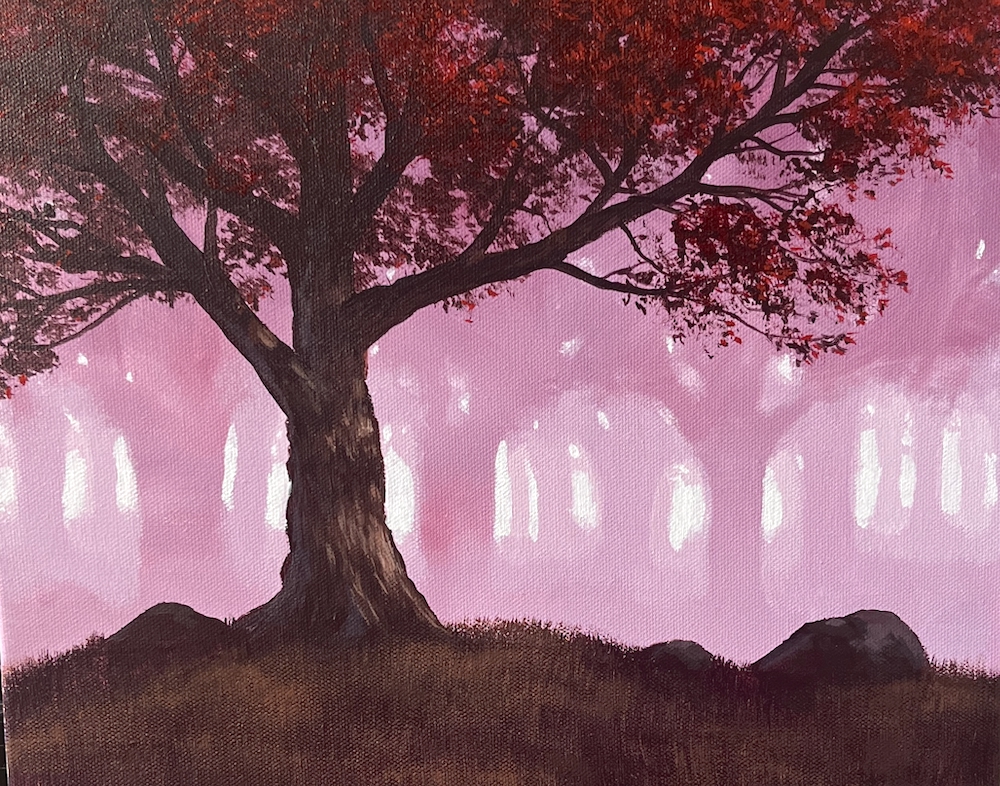
Misty Forest Paintng ZOOM Acrylic Painting Workshop, April 22, 2023- Tim Gagnon

REPLAY – Misty Forest Painting in Acrylic

On April 22, 2023 I conducted a live painting workshop via ZOOM. This type of interactive lesson is something that is a part of my membership program. I conduct two live painting workshops per month on a variety of subject matter. I paint in both oil and acrylic in these workshops.

JOIN THE MEMBERSHIP PROGRAM FOR UNLIMITED LIVE WORKSHOPS

I think you will have a lot of fun joining in on these live workshops, and hope to see you as a member after you watch the below video. As a member you get to join any of these workshops you would like, and you also get instant access to over 200 lessons that you can watch anytime on your schedule. Join the membership program here: https://www.timgagnon.com/shop/online-lessons/tim-gagnon-studio-membership/

If you prefer a monthly payment setup for the membership program, and get all the same benefits you can join here: https://www.timgagnon.com/shop/uncategorized/tim-gagnon-studio-membership-monthly-payment-plan/

Colors Used: Alizarin Crimson, Raw Umber, Titanium White, Camium Red Medium, Yellow Ochre

Canvas Size:
11 X 14 (inches)

Brushes Used:
https://www.timgagnon.com/product-category/brushes/

Workshop Video Password: 634555

Finished Image: 

The Art Project – With Tim Gagnon

What is the Art Project?
The Art Project is a collaborative single piece of art that is created by artists from all around the world, with a wide range of painting experience.  One incredible painting, created by many artists.

If you’re interested in applying to take part in The Art Project please fill out the form below. You will be sent instructions and some supplies in the mail and must complete the project within two weeks and return your work to Tim Gagnon. This project is somewhat secret in the sense that the end result will be a surprise.

You’ll be painting a very small number of surfaces. The time to complete the project will be around 2 to 4 hours on average. For those who are experienced it may take even less time. It will be simple work, but end up being a pretty incredible experience if my predictions are right :). Join below and you’ll be notified if you’re accepted in a few days.

The information below will be kept private.  I need your address so I can send you the supply and instruction packet.

The Art Project with Tim Gagnon

Join The Art Project with Tim Gagnon

Name(Required)
Mailing Address(Required)

Live Painting Workshop – Misty Forest Painting Introduction in Acrylic – (previously recorded 3.18.23)

Misty Forest Painting – LIVE ZOOM WORKSHOP from 3.18.23

If you want to gain access to hundreds of painting lessons instantly and also be invited to the over 20 live painting workshops throughout the year, you can join the membership program. The membership program gives you full access to everything on the website on a year to year basis. You can sign up annually, or monthly! Not only can you attend the live workshops, you can also watch them over and over, or at any time if you can’t make the live session. As a member you’ll be able to access the recordings of the live workshops. You’ll instantly unlock hundreds of on-demand painting lessons, you’ll get invited to live critique nights and more!

Sign up to the annual membership CLICK HERE

Sign up to the monthly membership CLICK HERE

Enter this password to watch the workshop recording below: 48275


Welcome!

I hope you are feeling inspired to create. As an artist myself, I know how challenging it can be to find the time, energy, and motivation to pursue our passion. But let me tell you, it’s worth it.

As a teacher, my mission is to help you learn and grow as an artist. I want to share with you all that I’ve learned throughout my journey, so you can continue to develop your skills and find your own unique voice as a creator.

Teaching art is not just a job to me – it’s a calling. I love seeing the joy and excitement on your faces as you create something beautiful and meaningful. It’s a privilege to be part of your journey, and I am committed to supporting you every step of the way.

So, let me take this opportunity to express my gratitude for choosing me as your teacher. I truly appreciate your trust and confidence in me, and I will do everything in my power to help you achieve your artistic goals.

Remember, the road to mastery is long and challenging, but it’s also incredibly rewarding. Let’s continue to inspire each other, learn from each other, and create amazing art together.

Thank you for being part of my community, and let’s keep painting!

Sincerely,

Tim Gagnon
www.timgangon.com

How To Paint in Acrylics – Making your acrylic paint look more like oil paint

Watch this video on some tips to make your acrylic paint look like oil paint

More tips to make your acrylics look like oils
Acrylic paints and oil paints have different properties and techniques that are used to create paintings. However, it is possible to make acrylic paints look like oil paints. Here are some tips that can help you achieve the oil painting effect with acrylic paints:

1. Use a slow-drying medium: Slow-drying mediums extend the drying time of acrylic paints, which will give you more time to blend and manipulate the paint on the canvas. You can find slow-drying mediums at art supply stores or online.

2. Build up the layers: One of the characteristics of oil paintings is the ability to build up thick layers of paint, which creates depth and texture. To achieve this look with acrylics, work on building up several thin layers of paint, instead of applying one thick layer.

3. Use a palette knife: Palette knives can be used to spread and mix the paint, which will create a more textured and impasto effect. When using a palette knife, make sure to apply the paint in thin layers, as thick layers can crack when they dry.

4. Experiment with glazing: Glazing is a technique that involves adding a transparent layer of paint over a dried layer of paint. This technique can create a rich and luminous effect, similar to oil paintings. Experiment with different colors and layering techniques to see what works best for your painting.

5. Practice blending: Blending is another technique that is commonly used in oil paintings. To blend acrylic paints, use a dry brush to lightly smooth out the edges and blend the colors together.

In conclusion, while acrylic paints and oil paints have different properties and techniques, you can still achieve a similar look with acrylic paints by following these tips. Practice, experimentation and patience are key to success in creating paintings that look like oil paintings with acrylics.

How to paint with oil paint – Creating Fat Over Lean Mediums

Watch this video that relates to this article:

Oil painting is a popular medium among artists due to its ability to create rich, luminous colors. However, one of the challenges of oil painting is controlling the drying time of the paint. A fat over lean medium can help regulate the drying time and prevent cracking in the paint.

A fat over lean medium is created by mixing linseed oil and odorless mineral spirits. The idea behind the fat over lean principle is that each layer of paint should have more oil in it than the previous one. This allows each layer to dry at the same rate, preventing cracking or other damage to the paint.

Here are the steps to create a fat over lean medium for oil painting:

Gather materials: You will need linseed oil, odorless mineral spirits, and a mixing container.

Mix the linseed oil and mineral spirits: Start by mixing equal parts of linseed oil and mineral spirits in the mixing container. Stir the mixture until it is well combined.

Adjust the consistency: Depending on your personal preference, you may want to add more linseed oil or mineral spirits to the mixture to make it thicker or thinner. A thicker medium will produce a more opaque paint, while a thinner medium will result in a more transparent paint.

Store the medium: Store the medium in an airtight container, away from light and heat. Be sure to label the container so you know what is inside.

Use the medium: When you are ready to start painting, mix a small amount of the medium into your paint to make it more fluid. Then, follow the fat over lean principle by applying each successive layer with a higher concentration of oil.

By following these steps, you can create a fat over lean medium that will help regulate the drying time of your oil paint, preventing cracking and other damage to your paintings.

CLICK HERE TO JOIN THE MEMBERSHIP PROGRAM – GET HUNDREDS OF PAINTING LESSONS INSTANTLY – CLICK HERE

How To Paint – Painting Skies – Using saturation and value to create distance and depth in your oil and acrylic painting

Check out this video related to this article:

Creating the illusion of distance in oil paintings can be a challenging task, but with a few key elements, it is possible to achieve stunning results. In this blog, we will focus on using cool colors, value, and saturation to paint distance in oil paintings.

Use Cool Colors
When it comes to painting distance in oil paintings, the use of cool colors is essential. Cool colors, such as blue, green, and purple, are known for their calming and receding effect, which can help to create the illusion of distance. To achieve this effect, choose cool colors for the background and reserve warm colors for the foreground elements of your painting.

Pay Attention to Value
Since your entire sky will consist of cooler colors you’ll need to focus on value and saturation. Value refers to the lightness or darkness of a color and plays an important role in creating the illusion of depth in oil paintings. To achieve this effect, use cool colors with a light value in the background and gradually increase the value as you move to the foreground elements. This will help to create the illusion of depth and distance, as the eye naturally perceives lighter values as receding and darker values as coming forward.

Experiment with Saturation
Saturation refers to the intensity or purity of a color. By using cool colors with varying levels of saturation, you can create depth and distance in your oil painting. For example, you can use highly saturated cool colors in the foreground and gradually decrease the saturation as you move to the background. This will help to create a sense of depth and distance, as the eye perceives more intense colors as closer and less intense colors as farther away.

In conclusion, by combining the use of cool colors, value, and saturation, you can create stunning oil paintings that capture the depth and beauty of the world around you. Remember, the key is to experiment and find what works best for you and your artistic style. So, grab your brushes and paints and get started on your next masterpiece!

JOIN THE MEMBERSHIP PROGRAM and get HUNDREDS of online painting lessons instantly – CLICK HERE TO JOIN

Shopping cart0
There are no products in the cart!
Continue shopping