
What Is Color Theory? A Practical Guide for Painting and Color Mixing
Color is one of the most powerful tools in painting. It creates mood, depth, atmosphere, and realism. Strong color choices can make a painting feel alive, while weak color mixing can make a painting look dull or muddy.
Yet many painters struggle with color mixing. You try to mix the color you see in your reference photo, but the paint on your palette never quite looks right.
This is where color theory for painting becomes incredibly helpful.
Understanding basic color theory allows painters to mix colors more accurately, control harmony in a painting, and avoid muddy mixtures. When combined with practical tools, color theory can make the entire painting process much easier and more enjoyable.
In this guide we will explore:
• What color theory is in painting
• The basics of the color wheel
• How artists mix colors while painting
• Why painting colors often become muddy
• How a color mixing tool can help painters mix colors more accurately
Whether you are new to painting or have years of experience, understanding color theory can dramatically improve your color mixing.
If you want an easy way to know how to mix color from your reference photos, use the color mix finder tool.
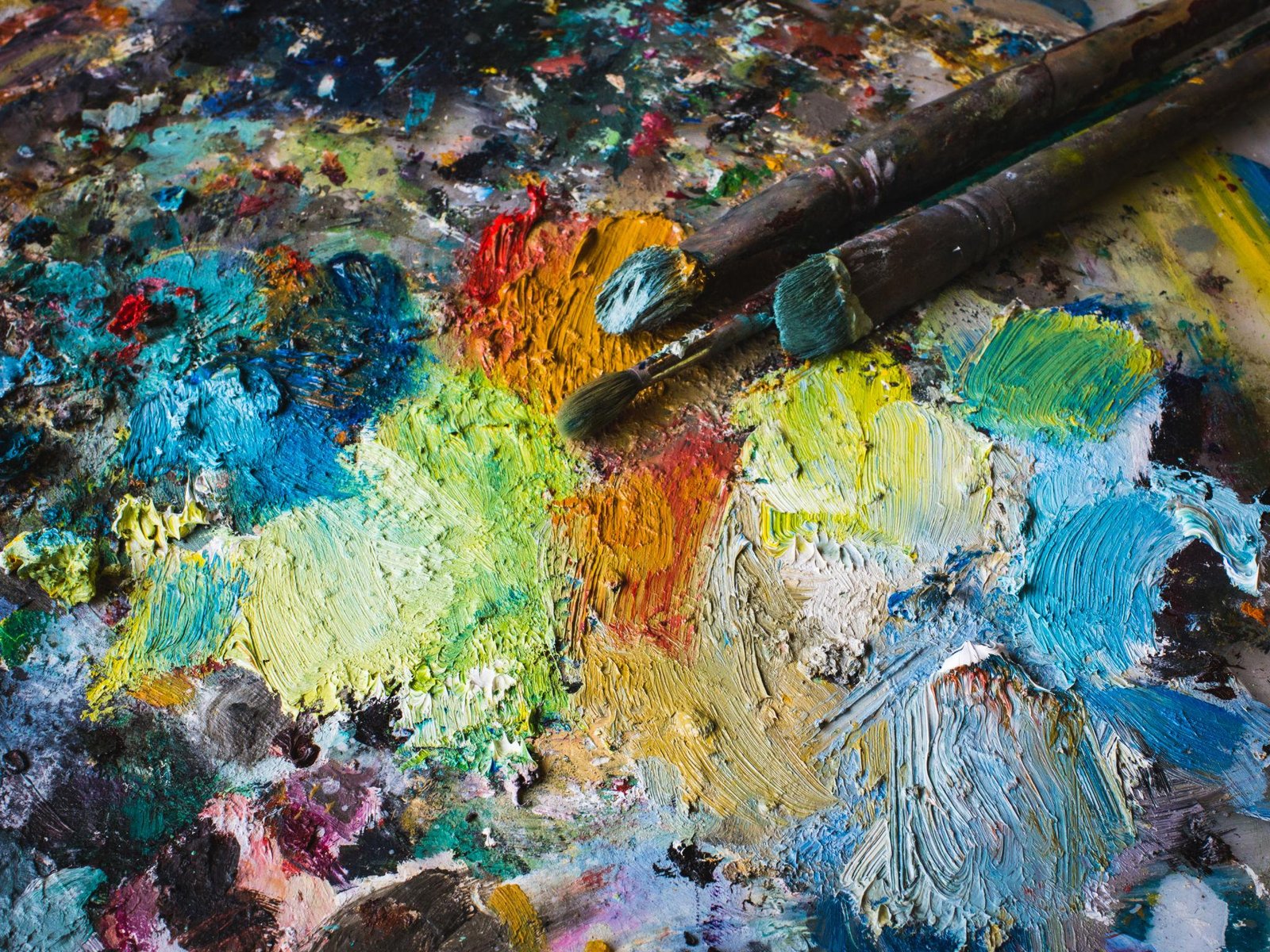
What Is Color Theory in Painting?
Color theory is the study of how colors interact, combine, and influence each other.
In painting, color theory helps artists understand how to:
• Mix paint colors accurately
• Create color harmony in a painting
• Control warm and cool color relationships
• Adjust color saturation and intensity
• Create convincing light and shadow in a painting
Color theory gives painters a framework for understanding why certain colors work well together and why others clash.
But in practical painting situations, color theory is not about memorizing rules. It is about helping painters answer one of the most common questions that comes up during painting:
“How do I mix the color I see?”
Painters throughout history have relied on color theory to guide their color mixing decisions. From classical portrait painters to modern landscape painters, understanding color relationships is a key part of successful painting.
The Color Wheel and Its Role in Painting
One of the foundations of color theory in painting is the color wheel.
The color wheel organizes colors based on their relationships to each other, which helps painters understand how colors mix.
Primary Colors
Primary colors are the base colors used for mixing paint.
Traditional painting primaries include:
• Red
• Yellow
• Blue
These colors cannot be created by mixing other colors, but they can be used to mix almost every color needed in painting.
Secondary Colors
Secondary colors are created by mixing two primary colors together.
For example:
Red + Yellow = Orange
Yellow + Blue = Green
Blue + Red = Violet
These secondary mixtures are used constantly when mixing colors for painting.
Tertiary Colors
Tertiary colors are created by mixing a primary color with a secondary color.
Examples include:
• Yellow green
• Blue violet
• Red orange
These subtle mixtures are extremely common in realistic painting because most natural colors fall somewhere between major color families.
Why Color Mixing in Painting Often Goes Wrong
Even when painters understand the color wheel, color mixing during painting can still be difficult.
Several things make color mixing challenging.
Paint Pigments Behave Differently
In painting, pigments do not always behave like the simple diagrams in color theory books.
Two paints that are both labeled “blue” may behave very differently when mixed.
For example:
Ultramarine Blue tends to create muted greens
Phthalo Blue tends to create very intense greens
When mixing colors for painting, these subtle pigment differences matter.
Too Many Colors in the Mixture
One of the most common problems in painting is mixing too many pigments together.
When three, four, or five colors are mixed repeatedly, the paint often becomes dull and muddy.
Many experienced painters prefer limited palettes because they keep color mixing cleaner and more predictable.
Difficulty Identifying the Base Color
During painting, artists often struggle to identify the correct starting color.
If the base color is wrong, every adjustment that follows becomes harder.
Choosing the right starting color is one of the most important steps in color mixing for painting.
The Three Key Elements of Color in Painting
When painters analyze color in a painting, they often think in terms of three main characteristics.
Hue
Hue refers to the basic color family.
Examples include:
• Red
• Blue
• Green
• Yellow
When painting, identifying the correct hue is the first step in mixing accurate colors.
Value
Value refers to how light or dark a color appears in a painting.
In many paintings, correct value relationships are even more important than exact color accuracy.
If the value relationships are correct, a painting can still look convincing even if the color shifts slightly.
Saturation
Saturation refers to how intense or muted a color is.
Highly saturated colors appear bright and vivid.
Muted colors contain some level of neutrality.
In most realistic painting situations, colors are slightly muted rather than fully saturated.
Understanding how to adjust saturation is an important skill in painting color mixing.
How Painters Mix Colors in Practice
While color theory explains color relationships, most painters follow a simple mixing process while working on a painting.
Step 1: Identify the Base Color
When looking at a reference photo or subject, painters first identify the general color family.
For example:
Is the color closer to red, yellow, blue, or green?
This determines the starting paint mixture.
Step 2: Adjust the Temperature
Next, painters decide whether the color needs to be warmer or cooler.
Warm colors lean toward red or yellow.
Cool colors lean toward blue.
Temperature adjustments often make a huge difference in achieving believable color in a painting.
Step 3: Adjust Value and Saturation
Finally, painters lighten, darken, or neutralize the mixture.
This might involve adding:
• White to lighten the paint
• A complementary color to reduce saturation
• Earth colors such as raw umber or burnt sienna
These adjustments refine the color until it matches what the painter sees.
How a Color Mixing Tool Helps With Painting
Even when painters understand color theory, mixing paint accurately during a painting session can still be frustrating.
This is where a color mixing tool designed for painters can be extremely helpful.
Instead of guessing at mixtures, a color mixing tool analyzes the color you want to paint and provides step by step guidance for mixing it.
A good color mixing tool helps painters:
• Identify the correct starting color
• Adjust warm and cool color shifts
• Control saturation levels
• Avoid muddy paint mixtures
• Mix colors more efficiently while painting
This turns color mixing from trial and error into a much more structured process.
Using the Color Mixing Tool While Painting
The Color Mixing Tool on this website was designed specifically to help painters apply color theory in real painting situations.
Instead of abstract explanations, the tool works directly with the colors you see in your reference photo.
You can click on any part of your reference image and receive step by step paint mixing suggestions.
The tool supports several common painting palettes.
Zorn Palette
A classic limited palette used by many master painters.
It includes:
• Yellow Ochre
• Cadmium Red
• Ivory Black
• Titanium White
Despite using only four colors, the Zorn palette can produce a wide range of natural colors for portrait painting.
Limited Painting Palette
A slightly expanded palette that allows painters to mix more vibrant colors while still keeping mixtures clean.
Limited palettes are popular because they simplify color mixing during painting.
Expanded Palette
For painters who prefer a wider range of pigments, the expanded palette offers additional color options while still guiding the mixing process logically.
Why Color Mixing Gets Easier With More Painting
Color theory gives painters the framework, but experience builds intuition.
The more painting you do, the easier it becomes to recognize patterns such as:
• Shadows often shift cooler in a painting
• Sunlight tends to warm colors
• Complementary colors neutralize each other
• Saturation usually decreases in shadow areas
Over time painters begin to recognize these relationships instinctively.
Using a color mixing tool can accelerate that learning process by helping painters understand why certain color mixtures work.
Try the Color Mixing Tool for Painting
If color mixing during painting has ever felt confusing or unpredictable, the Color Mixing Tool can help simplify the process.
It allows painters to analyze colors from a reference photo and receive clear mixing guidance based on real painting palettes.
Instead of guessing at mixtures, painters can start understanding the color relationships behind the colors they see.
You can try the tool here:
Final Thoughts on Color Theory and Painting
Color theory is one of the most important foundations of painting. It explains how colors interact, how they mix, and how they influence each other visually.
But understanding color theory alone is not always enough.
Painters also need practical ways to apply that knowledge while working on a painting.
By combining traditional color theory with a guided color mixing tool, painters can mix colors more accurately, avoid muddy paint mixtures, and develop far more confidence in their painting process.